

Description
plant have long tap roots which need to stretch out so the plants prefer well-dug, loose, well-draining soil; in preparing a bed, dig down 2 feet in depth and about 3 feet across to ensure the soil isn’t too compact.
Caring for Sacred Barna Tree
- Feed plants only sparingly; overfertilization can cause stems to break in the fall. You can add diluted fertilizer into the water, though avoid getting the fertilizer near the plant’s base; it may help to build a moat in a circle around the plant about 18 inches out.
Typical uses of Sacred Barna Tree
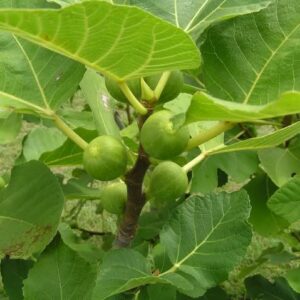
Special features: The flowers occur in terminal corymbs, are about 5 centimeters in diameter, greenish-yellow, and the stamens are purplish. The petals are ovate or oblong, with the claw half as long as limb. The fruit is ovoid or rounded, and 3 to 5 centimeters in diameters, with hard and rough rind.
Medicinal use: Unverified information It is used in Indian Ayurvedic medicine. It has anti-inflammatory, diuretic, lithontriptic, demulcent and tonic properties. Bark yields ceryl alcohol, friedelin, lupeol, betulinic acid and diosgenin. It is useful in disorders of urinary organs, urinary tract infections, pain and burning micturition, renal and vesical calculi. A postal stamp was issued by the Indian Postal Department to commemorate this tree.



Reviews
There are no reviews yet.